


How to treat urinary incontinence?
Treatments for urinary incontinence vary depending on the type of incontinence.
What are the treatments for urinary incontinence?
Treatments for urinary incontinence involve techniques for rehabilitating the pelvic floor and bladder muscles, as well as behavioral techniques to better manage the urge to urinate. Sometimes, the doctor prescribes medications for topical application, oral administration, or injections. In women, if the pelvic floor muscles are too weak, a polymer sling can be inserted through the vagina and abdominal skin during a surgical procedure under local or epidural anesthesia.
Treatments for stress incontinence related to menopause
Perineal and sphincter rehabilitation
Pelvic floor muscle and bladder rehabilitation is recommended for stress and mixed incontinence. It is sometimes helpful for urge incontinence after the use of anticholinergic medications (see Treatments for Urge Incontinence). Using several techniques (manual, biofeedback, electrostimulation) appears to be more effective than using just one. The benefits can only be fully appreciated after 15 to 20 sessions.
In cases of stress urinary incontinence, self-rehabilitation exercises must be performed by the patient between rehabilitation sessions.
Local applications of estrogen
In cases of stress incontinence related to menopause, treatment can be implemented to correct estrogen deficiencies. Applied topically, estrogens play a role in improving urethral pressure, pelvic floor muscle strength, and bladder relaxation during the filling phase.
Compared to oral administration, topical application has the advantage of being just as effective without causing side effects. Prescribed for two months, this treatment must be combined with rehabilitation.
Suburethral slings
If the pelvic floor muscles are too weak, a polymer sling can be inserted through the vagina and abdominal skin in a half-hour surgical procedure under local or epidural anesthesia (TVT method). This procedure, which must be performed by a surgeon experienced in this technique, helps support the urethra and facilitate urinary retention.
Dextramonomer/hyaluronic acid implant injections
These injections are performed under local anesthesia. Like slings, these semi-absorbable implants help support the urethra and facilitate urinary retention. The risk of transient urinary retention necessitates monitoring for a few hours after the injection.
Treatments for urge incontinence
Behavioral therapies
Behavioral therapies aim to teach people with urge incontinence to better control their urge to urinate. They are based on scheduling urination throughout the day and learning how to react when the urge becomes urgent. These therapies promote awareness of the timing and frequency of urination to combat certain anxious or phobic behaviors that worsen the consequences of incontinence.
So-called "anticholinergic" drugs
These medications contain a substance that reduces bladder sensitivity and overactivity. They can be prescribed initially or after behavioral therapy or rehabilitation has failed. No anticholinergic medication appears superior to behavioral therapy alone, but combining behavioral therapy with an anticholinergic medication may be beneficial.
The effects of different anticholinergic medications on symptoms are similar and modest. Maximum effectiveness is reached after 5 to 8 weeks of treatment. Therefore, it is recommended not to discontinue treatment earlier if it is well tolerated.
Their side effects are more common in older people: dry mouth, constipation, facial redness, urinary retention, vision problems, headaches, confusion, anxiety, etc.
In some cases of urge incontinence, a non-anticholinergic antispasmodic drug, flavoxate (URISPAS), may be prescribed.
Posted in:
4 - CHILD AND ADULT INCONTINENCE
Related products
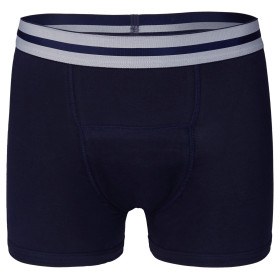
UnderWunder - Boxer incontinence intraversable - Homme
Price: €29.94
Can absorb 125 ml (a small accident or 2)
Looks like ordinary underwear
Fits...
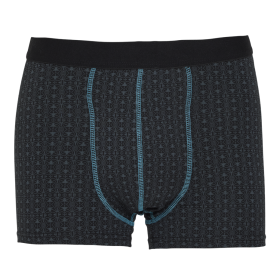
Dry&Cool - Boxer - Homme
Price: €28.80
Can absorb 100 ml (a small accident or 2)
Looks like ordinary underwear...
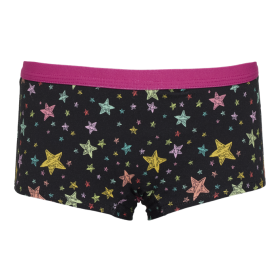
Dry&Cool - Girls' Invisibility Shorty Panties
Price: €25.95
Can absorb 75 ml (a small accident or 2)
Looks like ordinary underwear...
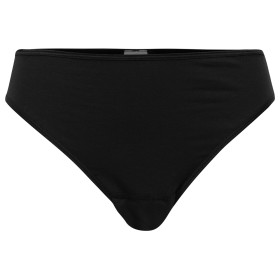
UnderWunder Women's Mini Briefs - bladder weakness
Price: €19.94
Can absorb 125 ml (a small accident or 2)
Looks like ordinary underwear
For...
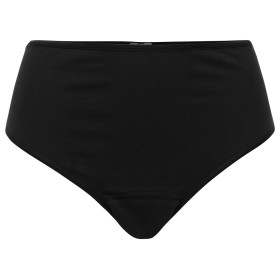
UnderWunder - Midi Briefs - bladder leaks - Women
Price: €19.94
Can absorb 125 ml (a small accident or 2)
Looks like ordinary underwear
For...
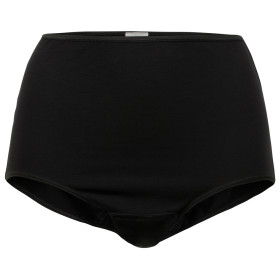
UnderWunder Women's Maxi Briefs - bladder weakness
Price: €19.94
Can absorb 125 ml (a small accident or 2)
Looks like ordinary underwear
For...





Latest comments