



Solutions for urinary incontinence at school
What you can do at school to prevent leaks
Note to school staff regarding urinary incontinence during the day:
Daytime urinary incontinence is common in preschool children and can continue into kindergarten and primary school. In fact, it has been found that daytime urinary incontinence occurs approximately once a week in 3% of children (mostly girls) with an average age of 5.9 years. Not only are these accidents embarrassing for the children, but they are also difficult for teachers and caregivers.
If you are a teacher or caregiver who encounters these problems of urinary incontinence with children during the day, here are some tips to effectively treat the problem:
- Make yourself available to the child and let them know that you are there to help them.
- If the child's parents have not yet contacted you, contact them to discuss the problem calmly.
- If the child's parents don't already have a potty training plan in place, we advise you to recommend this solution by asking them to provide their children with vibrating watches and, if possible, washable or disposable absorbent underwear. Offer the parents the opportunity to get involved in this method as much as you can.
- Ask parents to bring at least one change of clothes in case of an accident.
- Always ensure children have regular bathroom breaks and allow enough time to completely empty their bladders. This will prevent many accidents in the classroom and/or during meals.
Make the most of your time in the bathroom
Relaxation plays an important role in regulating urination. If your child feels the need to go to the toilet more frequently during the day, we offer these tips to help them be calmer and more relaxed:
- Encourage the girls to take at least one leg off their pants (or one leg off their tights), bend forward with their elbows on their knees, and relax their legs completely.
- Encourage the boys to stand with their shoulders straight and knees slightly bent.
- Help young children feel more comfortable by using a small step stool if needed.
- Remind your child to relax, rather than push.
- Turn on the tap and ask your child to think about the running water.
- Reading stories or talking about things unrelated to the toilet.
- Give your child plenty of time to completely empty their bladder; this may take a few minutes. If your child is unable to urinate, reassure them that they can always come back later.
If you're trying to maintain a regular toilet schedule, we recommend using a vibrating watch. Going to the toilet at regular times is an excellent way to overcome incontinence and boost children's confidence.
Overcoming toilet phobia
Sometimes, daytime accidents stem from a child's fear of the toilet. This "toilet phobia" can make your child uncomfortable using the toilet, especially in public places. Does your child use the toilet properly at home and only experience urinary incontinence when outside the home?
Once your doctor has ruled out all medical causes of urinary incontinence, we advise you to keep a detailed log of when you urinate and where the accident occurred. Include information about your meal habits (meal times and whether or not you finished eating). This document is important for your doctor to diagnose all possible causes.
If it seems that your child is only uncomfortable with toilets in general or only in certain places, here are some tips that might help:
- If your child is attending a new school or daycare, arrange a first visit to the restrooms together. Be positive and highlight the good things.
- When you and your child are out and about, try using the toilets in several different places (for example, the shopping center, movie theater, etc.). This familiarization with the toilet will give your child confidence.
- Talk to your child about their fear. They might have a false impression that you can clarify for them.
Related products
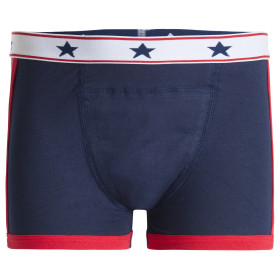
UnderWunder - Inseam boxer briefs - Boys
Price: €20.56
Can absorb 80 ml (a small accident or 2)
Looks like ordinary underwear...
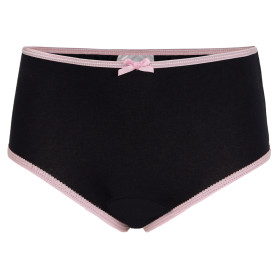
UnderWunder - UnderWunder Underpants - Girl's
Price: €20.55
Can absorb 80 ml (a small accident or 2)
Looks like ordinary underwear...
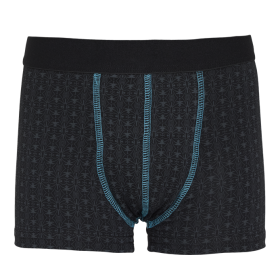
Dry&Cool - Boys' non-reversible boxer shorts
Price: €25.95
Absorption: 80 ml
Reinforced absorbency: 125 ml (colours: Dry black and...
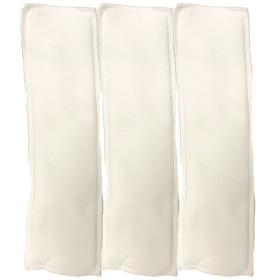
Teeny Hero - Lot de 3 inserts booster and microfibre
Price: €18.95
Pack of 3Booster inserts in Microfibre and Cotton
Highly absorbent: 2 thin...
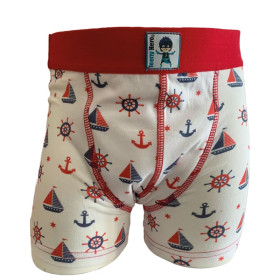
Teeny Hero - Intraversable boxer shorts - Garçon
Price: €17.50
Boys' boxer shorts: for day and night (by adding an insert)
Attachment...





Latest comments