



MANAGING BEDWEIGHT IN SCOUTS
We usually publish articles about summer camps before the summer. This year, we decided to highlight a guide for scout camp leaders that we think is very well done.
BEDWETTING AMONG SCOUTS
Bedwetting, scientifically known as nocturnal enuresis, affects 10% of children between the ages of 5 and 10, and sometimes even older. For both the counselors and the children, it presents a challenge during their stay. This article will help you better understand and respond to bedwetting.
STEP 1: HEALTH FORMS BEFORE THE FIRST WEEKEND
Look at all the health records of your children, note the list of children affected by nocturnal enuresis.
STEP 2: DISCUSS WITH PARENTS BEFORE THE FIRST WEEKEND
The child will likely not want to discuss their problem in front of their parents; it might make them uncomfortable. Therefore, we advise you to discuss the situation discreetly with them. First, reassure them and downplay the bedwetting. It's common and won't negatively impact their stay.
There are a few important questions:
- How many times a week does the child wet the bed? ?
- What solutions do you adopt at home? Protection, changing clothes, bedwetting alarm…
- What solutions do you adopt when your child doesn't sleep at home? ?
- Is your child receiving treatment for bedwetting? ?
With all these questions, you have a good basis for discussing the solution to implement with them. Often, it's advisable to maintain the habits " like at home "
STEP 3: TALK TO THE YOUNG PERSON
Your role will be to reassure him and build a relationship of trust with him. He's really afraid his friends will find out about his little problem, which is actually quite important to him. Tell him it's not the first time, that it will pass, and that his time at Scouts will be great. Explain the bedtime and wake-up routine to him clearly and calmly, referring to the sections on various solutions. Don't hesitate to adapt it to suit the young person; he's the one most affected. !
TO TALK TO FRIENDS OR NOT ?
Should I tell my friends or keep it a secret? That's a difficult question.
In any case, it's not up to you, the leader, to make this decision: it's up to the young person, but don't hesitate to strongly encourage them. To convince them, tell them that they can trust their tentmates and they can trust them too, that they'll sleep better without being afraid of wetting the bed, suggest they go and talk to them about it, and that their problem will be much better understood than if their friends discover it on their own.
Is he ready to confide his secret to his tent buddies? If so, this will be very well received by his friends, who will then protect him, and a relationship of trust will be established. He can even change in the tent if he wishes. If he is already aware of the situation, don't hesitate to involve the young person's team leader; they can look after him and will take this mission of " older brother/sister »
If there are several children who wet the bed and they all agree, you can announce it to the whole group. They will be receptive and attentive to the children involved. To explain it to everyone, you need to downplay it. You can say that: some children wear glasses, others have braces, and some have asthma; bedwetting is the same: a medical problem like any other, and there's not much the child can do about it.
Otherwise, you have to be careful that your secret isn't revealed or discovered. If that happens, it's up to you to immediately address any potential mockery.
PROTECTIVE MEASURES
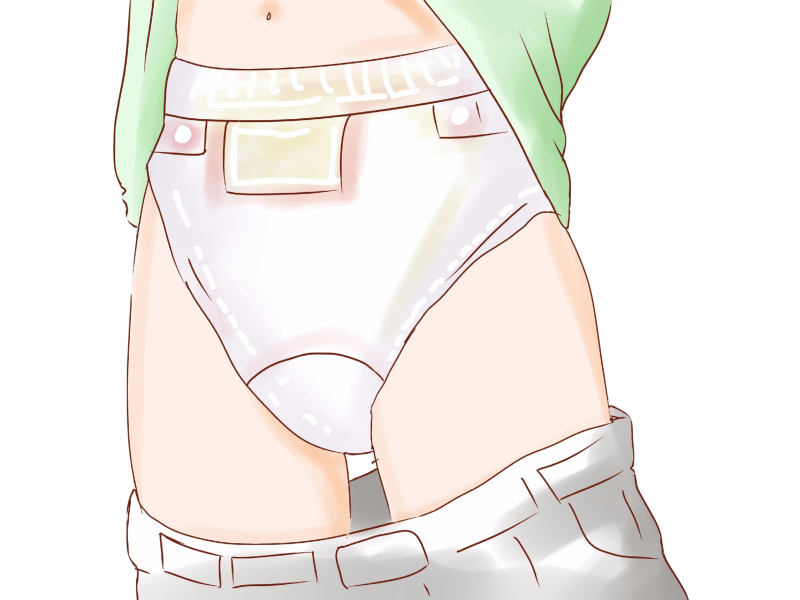
What is it? ?
We're talking about protective gear, not diapers: diapers are for babies. It's a proven solution for leaders who use it, whether on weekends or at camp.
There are two main types:
- With Velcro, it's called a complete change; it's often difficult to put on alone, but the protection stays in place better. ;
- These are the preferred type, shaped like briefs and very easy for a child to put on.
Advantage: a dry night, no laundry, discretion in the morning, the tent does not smell of urine.
Drawback: sometimes it's difficult to convince a big "to wear protective gear, for fear of being perceived as a baby."
How to manage bedtime ?
The best way for a camp is to store the camper's incontinence pads at the infirmary. Just before bedtime, the camper goes to the toilet and then goes to the infirmary to change their pad. The camp counselor/first-aid assistant makes sure no one enters the tent at that time. The camper then goes to sleep.
If it's a weekend, the protection can already be in the sleeping bag, the young person will only have to put it on at the same time as their pajamas, without forgetting to go to the toilet.
Three solutions for the child:
• Have a small bin in or in front of each tent, the young person puts their used protection in it and the leader will collect the bin.
• Go to the infirmary to remove your protective gear.
• Leave it in the sleeping bag: an instructor discreetly retrieves the used cover and then puts it in the bin.
For the rubbish bin, be careful not to throw the protective cover away with the regular camp waste. You need to provide a specific bin that must be emptied regularly (to prevent odors).
CHANGING THE DUVET AND PAJAMAS

What is this ?
Changing sleeping bags and pajamas can be an alternative for young people who don't want to use incontinence products. It simply involves having several sleeping bags and pajamas on hand. This solution is more complicated, especially if accidents are frequent.
Advantage: if the child rarely wets the bed, he will sleep dry like everyone else.
Disadvantages: laundry, showering, smell of urine, the young person sleeps in their own urine or wakes up in the middle of the night to get a dry sleeping bag.
How to manage bedtime
Make sure the child goes to the toilet before going to sleep.
Upon waking
If possible, wake him before the others so he can change and wash. The counselors can wash his sleeping bag and pajamas at this time. The counselors should remember to check the sleeping bags of the children who wet the bed in the morning; some may try to hide their bedwetting problems.
THE PEE-STOP

What is this ?
It's an electronic device that connects to underwear. If the child wets the bed during the night, the device will trigger an alarm and wake them up. It's very effective, but the neighbors might not appreciate the nighttime awakening.
Advantages: a dry night, clothes like everyone else
disadvantages: wakes everyone up in the tent, difficulty getting back to sleep, price (+ €100), obligation to warn friends.
How to manage bedtime
Store the electronic device at the infirmary or HQ to recharge it. The young person will pick it up before going to sleep. As usual, make sure the young person uses the toilet before bed, then they can equip their device. You can help them attach the system if needed. Remember to inform their tentmates; it's best to do this with them, they'll understand and everything will be fine.
Show him the night toilet, tell him he can wake you up if he's afraid to go alone.
Upon waking
Retrieve the device and place it on charge. If it's battery-powered, remember to check the battery levels.
THE NO FEAR PJAMAS
 What is this ?
You can buy some here
These are the pajamas for older children who wet the bed. They look classic, but are lined with absorbent material and are waterproof. They are used like regular pajamas. The only drawback is that they need to be washed if they get wet.
Advantage: very discreet, a dry night, " like everyone else ", ecological
Disadvantage: price, laundry detergent
How to manage bedtime
Like all young people, he goes to the toilet before going to sleep and puts on his pajamas.
Upon waking
If his pajamas get wet, he gives them to the counselors to wash. That's why it's necessary to have at least two pairs of pajamas at camp. If it's a weekend, he takes them home and washes them there.
AND FOR A TEENAGER ?
With a teenager or pre-teen, everything is more delicate. It's a really difficult subject for the young person who often experiences it as a flaw; they are very embarrassed.
For his well-being, it's best to encourage him to wear protection; he doesn't want to be " a baby "In diapers, yet he is not one: he is a big boy who has protection specially adapted to his age.
Based on my experience, the best thing to do at that age is to at least let the other campers know, but the child has to agree. You'll see they'll be understanding and will defend them if they're teased. Plus, it will take the pressure off bedwetting, and the child will feel more confident.
If there is any teasing, you must react quickly and firmly. At that age, young people can be quite cruel to each other. Don't hesitate to talk to the young person in question from time to time to find out how things are going at camp, but without bringing up their little problem; building a relationship of trust with them is essential.
THE ACCIDENT

First of all, having an extra sleeping bag in your gear is likely to be very useful.
One of your campers wakes you up at 2:30 a.m. sobbing. He's wet the bed, it's a disaster! Your first role is to talk to him and reassure him: everything will be alright. Give him a change of pajamas and a sleeping bag. If you have baby wipes, offer them to him for a quick clean-up. If you don't have a spare sleeping bag, you can give him yours and coordinate with the other counselors, or pick up croissants early. You can store the soiled clothes and sleeping bag in the infirmary overnight in a plastic bag.
The next day, she didn't hesitate to talk to him: was this the first time this had happened to her? How is the camp/weekend going? Nobody bothers him. ?
If it's a weekend, you can return to the parents (and ask them how their child is doing at the moment). (?) the bag with the dirty clothes. If it's a campsite, you have to go through the laundry process. In my experience, the laundromat is perfect: it has dryers, and drying a soaking wet sleeping bag is a real challenge. !
RISKY ACTIVITIES
It's also important to be mindful of large group games, nighttime activities, or self-supported hikes. Often, when completely absorbed in the activity, the young person forgets their spare sleeping bag, protective gear, etc. It's crucial to ensure the young person brings everything they need, and don't hesitate to involve the team leader to remind the young person to pack before setting off on this exciting activity and to remind them again before going to sleep.
LONG JOURNEY, HOW TO DO IT ?
If it's a daytime journey, just be careful that the young person doesn't fall asleep.
If it's a night journey, you can suggest he take a sanitary pad, either in his bag or yours. He can change discreetly in a restroom, at a motorway service station, or in the train/plane toilet. Make sure his seat is aisle-side; it will be easier for him to get up to go to the bathroom.
Upon waking, the child can put their used pad or tampon in the toilet bin. However, in case there is no bin available, have a small (non-transparent) bag ready to put the used pad or tampon in.





Latest comments