



DRI SLEEPER Excel Bedwetting Alarm for Enuresis
Instructions for DRI SLEEPER bedwetting alarms
The steps in the treatment of nocturnal enuresis.
The DRI Sleeper Excel bedwetting alarm teaches the user to wake up as soon as urination begins.
- The user becomes more aware of the sensations associated with bladder filling and wakes up more often just before or just after the start of urination.
- The need to urinate wakes the user even before the first drops of urine are emitted.
- The user acquires better sleep habits that allow them to spend the night normally, without waking up and without needing to get up to urinate.
- Always clean the detector thoroughly with soap (preferably liquid soap) after each night and rinse it meticulously, then dry it on a tissue. Any soap residue may trigger the alarm. To sterilize it, you can wash it in alcohol. It is strongly recommended to purchase a second detector and prepare it in advance in a spare anatomical cover.
- Continue to use the DRI Sleeper bedwetting alarm every night until the child has not wet the bed for 14 nights.
Device check
Every evening before use:
- Check the detector and the alarm box.
- Connect the detector to the alarm box and observe the pairs of black bars on the detector. These are the detection bars.
- Use a container of warm water (which best replicates urine) and gently place the detector inside, starting with just one pair of bars. Observe how many pairs of black detection bars are required before the alarm is triggered. If the number is greater than 6, it's time to replace the detector.
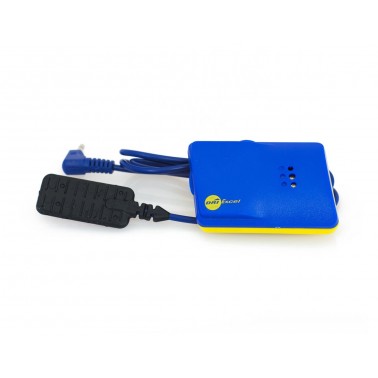
The problems you may encounter.
The alarm not triggering is usually due to normal wear and tear on the detector, not a malfunction of the alarm system. The detector has a limited lifespan and must be replaced after a certain period of use. If the detector is not triggering the alarm, clean it with liquid soap or alcohol. If this does not resolve the issue, replace the detector.
Corroded batteries: This is not caused by faulty or worn-out batteries. The cause can only be water ingress into the casing (for example, during washing). The water may have damaged the electronic circuitry, and the alarm would then need to be replaced. This specific case of misuse is not covered by the warranty.
Gradual decrease in volume: the batteries should normally last for many months and only gradually lose power and volume. To replace the batteries, open the case by inserting a coin into the notch at the bottom and turning it.
Posted in:
Bedwetting Alarms
Related product
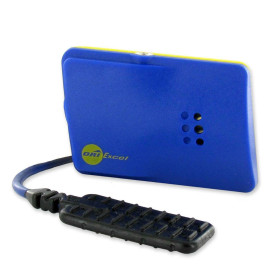
Dri Sleeper - Alarm stop pee Excel
Price: €59.95
Powerful sound, as soon as the first drops of urine are released (sounds...





Latest comments