



Bedwetting in autistic children
Bedwetting is one of the many challenges faced by autistic children. A number of these children experience difficulties using the toilet and may struggle to dry themselves during the day, let alone experience nighttime dryness.
There are many reasons why an autistic child might have difficulty using the toilet. One is that these children are not good imitators. Therefore, unlike neurotypical children who enjoy imitating adults in activities such as toilet training, these children may lack the ability to do so. Another reason is that these children don't feel wetness and may be asleep while it's happening. A number of these children are also hypotonic. Childhood autism is characterized by a loosening of muscle control and an inability to respond to or understand stimuli (for example, the urge to urinate).
What are the causes of enuresis?
The causes of bedwetting in autistic children are not very different from those in children with normal growth.
- The difficulty in recognizing that a full bladder
- Small bladder
- Antidiuretic hormone deficiency
- Severe constipation
- anxiety
- Sleep apnea
When should we be worried?
However, if your child has been wetting the bed for a long time, or if they suddenly started wetting the bed after being dry for at least six weeks, you should be concerned. Note the signs and symptoms. If your child is wetting the bed due to an illness such as urinary tract infections or constipation, or for any other medical reason, treating that illness may help. A number of other symptoms and signs may be...
- drinks more than usual
- Urinating too often
- Burning or painful sensation during urination
- Swelling of the ankles or feet
- Wet during the day
- The child wets the bed during the day.
Bedwetting is generally more challenging to manage in autistic children. However, patience and positive reinforcement, along with an ideal treatment strategy such as a bedwetting alarm, can help your child succeed. Start looking for a portable or bedside bedwetting alarm and potential bedwetting solutions your child is familiar with.
Before choosing a therapy, understand its advantages and disadvantages. Medications have side effects, while anti-wetting alarms offer a long-term solution.
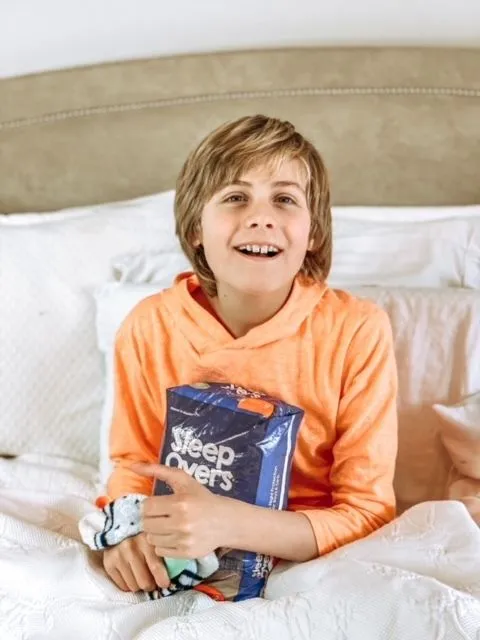
During this time, it is possible to use disposable nighttime underwear specifically made for children over 5 years old.
In addition, check if lifestyle changes or home remedies, such as adjusting your child's diet, encouraging them to go to bed twice before bedtime and taking regular bathroom breaks throughout the day, can help your son or daughter overcome water retention.
When you have a child, you can look for waterproof mattress protectors that protect your mattress from stains.
Related products
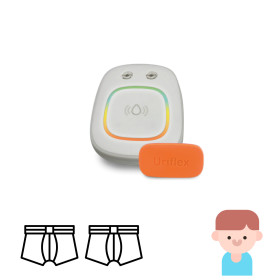
Uriflex for Boys – Set of 2 Liberty wireless nappy-training boxer shorts
Old price: €180.90
Price: €171.85
Discount: 5%
Save up: -€9.04
Set: 1 Liberty wireless bedwetting alarm + 2 pairs of boys’ boxer...
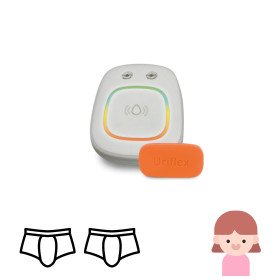
Uriflex for Girls – Set of 2 Liberty-print wireless training pants
Old price: €180.90
Price: €171.85
Discount: 5%
Save up: -€9.04
Set: 1 Liberty wireless night-time training alarm + 2 girls’ shorts
The...
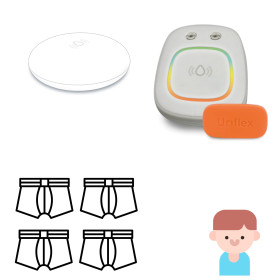
Uriflex for Boys – Set of 4 boxer shorts + Liberty wireless bedwetting alarm + vibrator
Old price: €286.85
Price: €272.50
Discount: 5%
Save up: -€14.34
Set: 1 Liberty wireless bedwetting alarm + vibrating alarm + 2 pairs of...
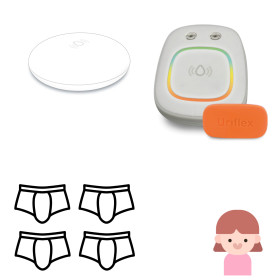
Uriflex for Girls – Set of 4 Liberty-print wireless ‘stop wee’ shorts with vibrator
Old price: €286.85
Price: €272.50
Discount: 5%
Save up: -€14.34
Set: 1 Liberty wireless night-time training alarm + vibrating alarm + 4...
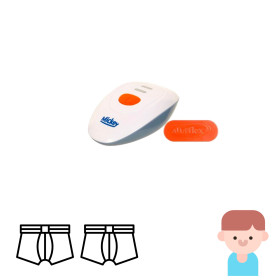
Uriflex for Boys – Set of 2 boxer shorts + Mickey Mouse wireless bedwetting alarm
Old price: €138.90
Price: €131.95
Discount: 5%
Save up: -€6.94
1 Mickey wireless alarm clock + 2 boxer shorts
5 different sounds and...
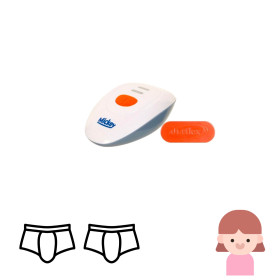
Uriflex for Girls – Set of 2 shorts + Mickey wireless wee-stop alarm
Old price: €138.90
Price: €131.95
Discount: 5%
Save up: -€6.94
1 Mickey wireless alarm clock + 2 Shortys
5 different sounds and adjustable...
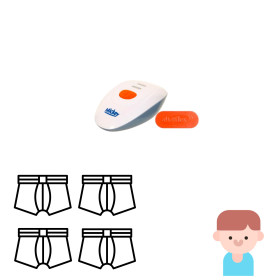
Uriflex for Boys – Set of 4 boxer shorts + Mickey Mouse wireless bedwetting alarm
Old price: €184.89
Price: €175.65
Discount: 5%
Save up: -€9.24
1 Mickey wireless alarm + 4 boxer shorts
5 different sounds and adjustable...
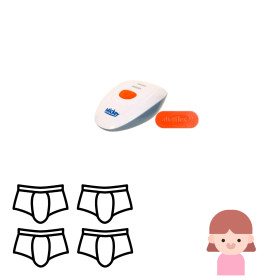
Uriflex for Girls – Pack of 4 shorts + Mickey wireless wee-stop alarm
Old price: €184.89
Price: €175.65
Discount: 5%
Save up: -€9.24
1 Mickey wireless alarm + 4 Shortys
5 different sounds and adjustable...
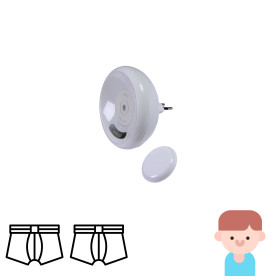
Rodger Garçon – Set of 2 boxer shorts + wireless wee-stop alarm
Old price: €143.80
Price: €136.61
Discount: 5%
Save up: -€7.19
1 Rodger wireless alarm + 2 boxers
Runs on batteries or mains power (220V)....
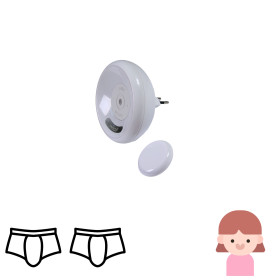
Rodger Fille – Set of 2 shorts + wireless bedwetting alarm
Old price: €143.80
Price: €136.61
Discount: 5%
Save up: -€7.19
1 Rodger wireless alarm + 2 Shortys
Operates on batteries or mains power...
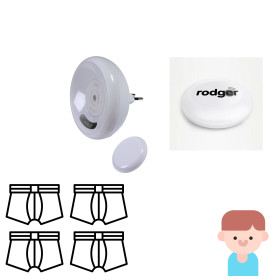
Rodger Garçon – Set of 4 boxer shorts + vibrator + wireless wee-stop alarm
Old price: €234.50
Price: €222.77
Discount: 5%
Save up: -€11.72
1 Rodger wireless alarm + 4 boxers
1 vibrating alarm
Operates on batteries...
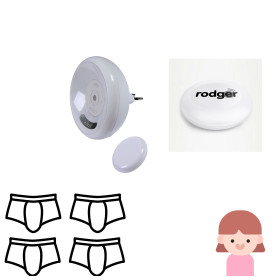
Rodger Fille – Set of 4 shorts + vibrator + wireless wee-stop alarm
Old price: €234.50
Price: €222.77
Discount: 5%
Save up: -€11.72
1 Rodger wireless alarm + 4 Shortys
1 vibrating alarm
Operates on batteries...
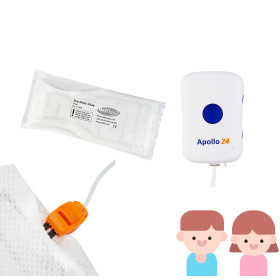
Uriflex – Pack of 25 Dry-Mate pads + Apollo 24 wee-stop alarm
Old price: €85.89
Price: €81.60
Discount: 5%
Save up: -€4.29
1 Apollo 24 + 25 Dry-Mate alarm
Multiple Alarms: Sounds, Vibrations, Sounds...
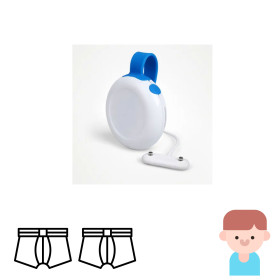
Rodger Garçon – Set of 2 boxer shorts + Amigo Button wee-stop alarm
Old price: €105.70
Price: €100.41
Discount: 5%
Save up: -€5.28
Rodger® Amigo Button Kit + 2 pairs of boxer shorts
For the treatment of...
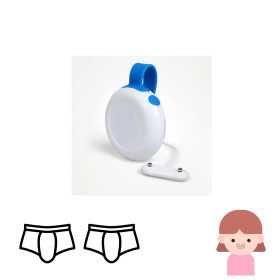
Rodger Fille – Set of 2 shorts + Amigo Button wee-stop alarm
Old price: €105.70
Price: €100.41
Discount: 5%
Save up: -€5.28
Rodger® Amigo Button Kit + 2 Shortys
For the treatment of bedwetting,...
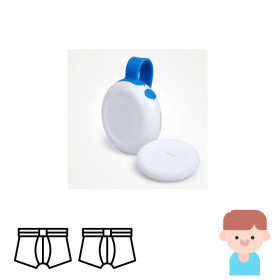
Rodger Garçon – Set of 2 boxer shorts + Amigo wireless wee-stop alarm
Old price: €115.70
Price: €109.91
Discount: 5%
Save up: -€5.78
Rodger® Amigo Wireless Kit + 2 pairs of boxer shorts
For the treatment of...
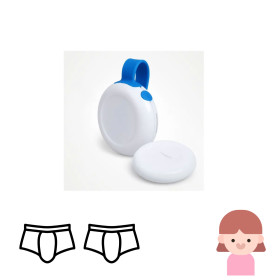
Rodger Fille – Set of 2 shorts + Amigo wireless bedwetting alarm
Old price: €115.70
Price: €109.91
Discount: 5%
Save up: -€5.78
Rodger® Amigo Wireless Kit + 2 Shorts
For the treatment of bedwetting,...
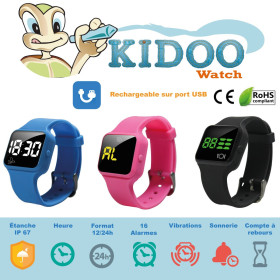
Kidoo Watch - vibrating watch - 16 alarms
Price: €25.94
16 daily alarms 12-24 hour format Mode: Vibration or Sound Rechargeable via...

Uriflex - R15 recall watch
Price: €29.99
15 daily vibration alarms
Splash-proof
12-24h format
USB rechargeable
7...
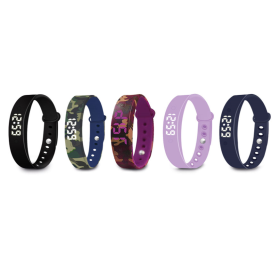
Uriflex - U15 booster watch
Price: €29.99
15 daily alarms
Splash-proof
12-24h format
Mode: Vibration
USB2...





Latest comments