In France, an average of 5% of children are dyslexic, dyspraxic, dyscalculic and ADHD. Dysphasia is thought to affect 1% of children. According to the French Ministry of Solidarity, Autonomy and the Disabled, 10% of births are affected by neurodevelopmental disorders.
Despite medical and scientific advances, it is difficult to obtain reliable and truly representative figures.First of all, DYS diagnoses, even if they are increasingly made today, are lengthy (since all other avenues must be eliminated before a DYS disorder can be identified).Some disorders are confused: dysattention syndrome alone can cause or accentuate other DYS disorders.A child with dyslexia will also have dysorthographia, but the reverse is not necessarily true, and so on.
Focus on dyslexia
Dyslexia is a language disorder of neurobiological origin. Dyslexic children have difficulty identifying what they read, even if they understand it. If there is any doubt at any time during Ptiloup's school career, we should not hesitate to contact professionals who are qualified to carry out a multidisciplinary assessment.
The recommendations for diagnosing dyslexia are currently around 18 months of learning to read; before that, it's too early to decide whether it's a question of an acquisition/learning difficulty or real dyslexia. Certain signs in young children can point us in the right direction:
Difficulty and tiredness when reading, reading very slowly and not very fluently;
Difficulty finding and breaking down syllables in a word, words in a sentence, and sentences.
How can we help?
Once a diagnosis has been made, in addition to monitoring with one or more qualified health professionals, you can use all the media available on a daily basis to tell stories, develop language skills (pictures, cards, memos, kamishibai, books, etc.), approach maths through games involving experimentation and logic (e.g. the self-correcting Montessorien material), and learn to read. Memo cards can be used to work on memory, while traditional magnetic puzzles encourage concentration and hand-eye coordination.Generally speaking, games facilitate the essentialearly diagnosis and have a magical power to encourage children to develop all their abilities.



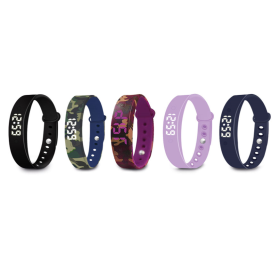
 R15 Uriflex Watch: The Discreet and Stylish Partner for Days Without ForgettingVoir l'article
 Dive in with complete peace of mind: SoSecure watertight swimming pool pantiesVoir l'article





Latest comments